
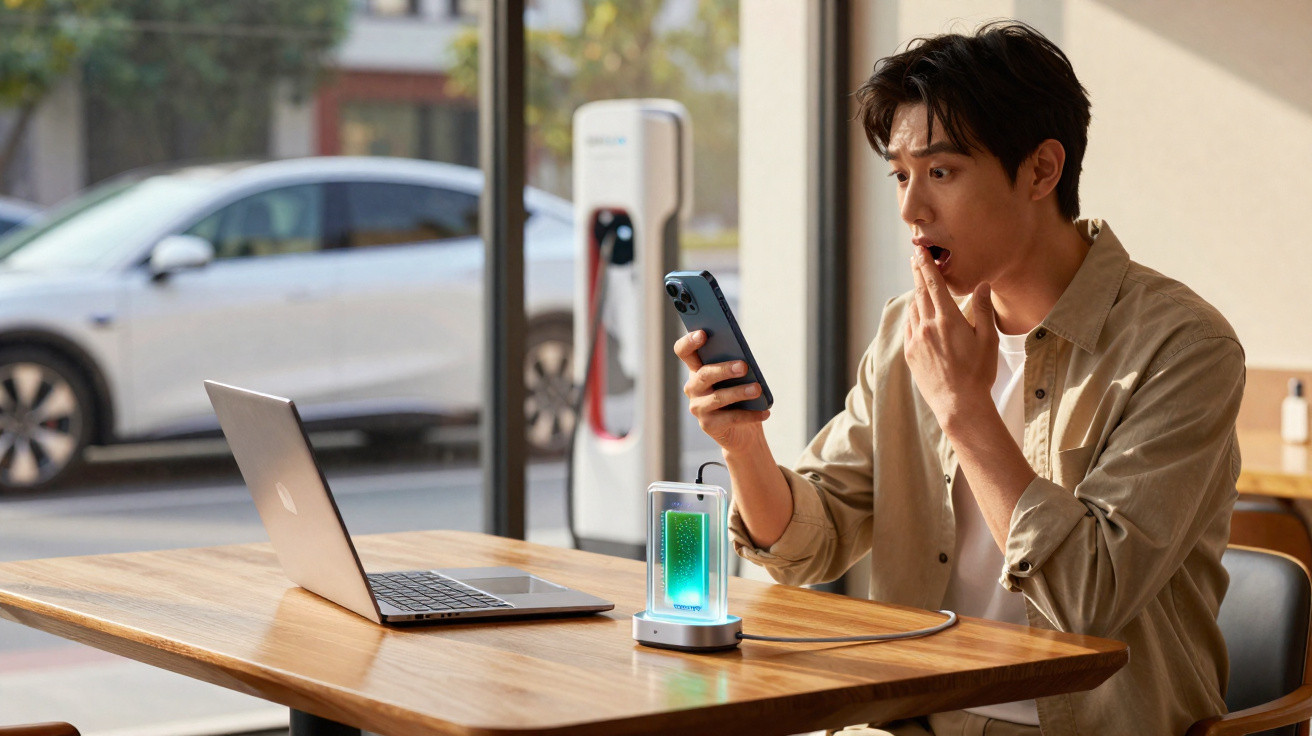
Electric cars with this kind of battery could charge faster than petrol cars refuel
Researchers at Australia’s CSIRO - the Commonwealth Scientific and Industrial Research Organisation - have announced what they describe as the world’s first working prototype of a quantum battery. Unlike conventional batteries, which store energy through chemical reactions, this new approach relies on quantum-physics effects to store and release energy.
The prototype is made from specialised microscopic layers designed to capture light. It is charged wirelessly using a directed laser beam, after which the absorbed energy is converted into an electric current.
A key feature of the project is that, as the number of active elements increases, the system can - contrary to what typically happens with ordinary batteries - charge more quickly rather than more slowly. The researchers attribute this to components operating collectively, absorbing energy in parallel.
What the CSIRO quantum battery prototype could enable
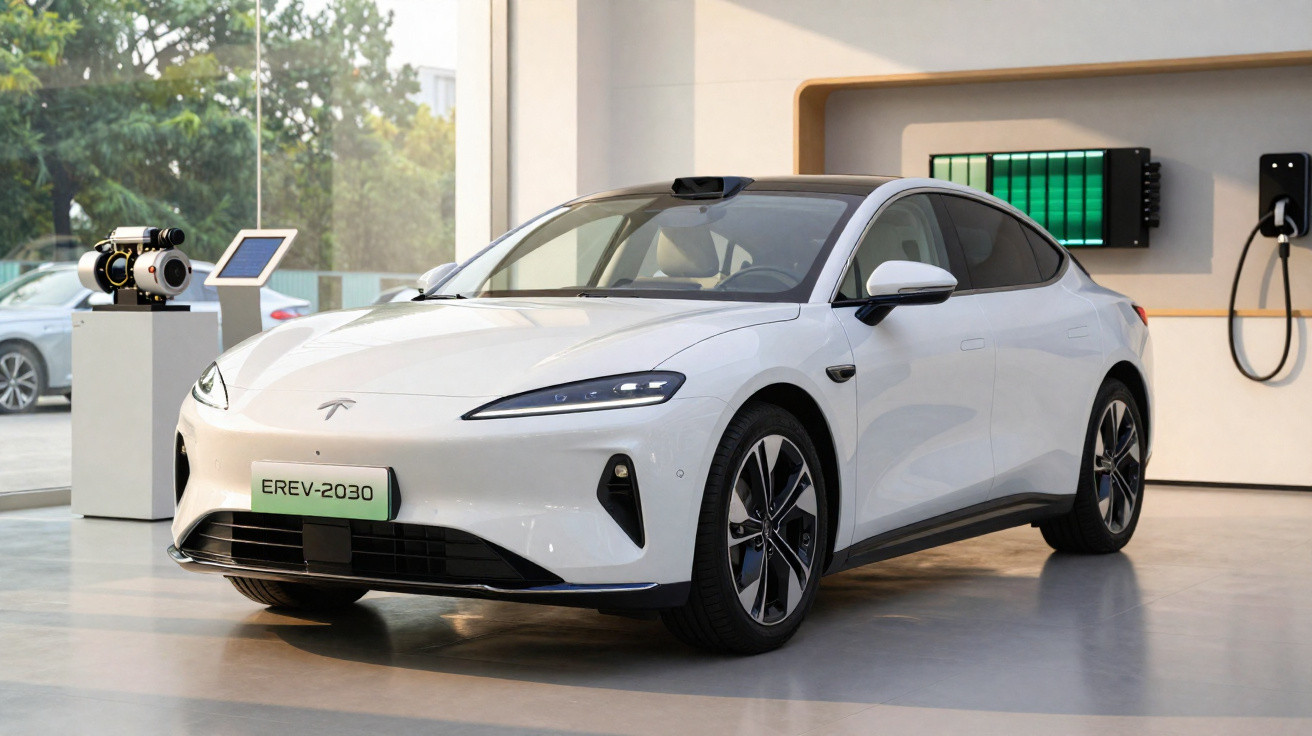
The team believes that, in time, this principle could lead to technologies that let electric vehicles charge faster than a petrol car can be refuelled, and allow smartphones to charge almost instantly.
Why commercial use is still a long way off
Despite the promise, the technology is not close to real-world deployment. At present, the prototype has an extremely small capacity and holds its charge for only a few nanoseconds. In addition, the quantum states required for operation are highly sensitive to the surrounding environment and are easily disrupted under practical conditions.
Next steps for the quantum battery
The researchers’ main focus now is scaling up the system and extending how long it can store energy, bringing the technology closer to practical use.


Comments
No comments yet. Be the first to comment!
Leave a Comment