
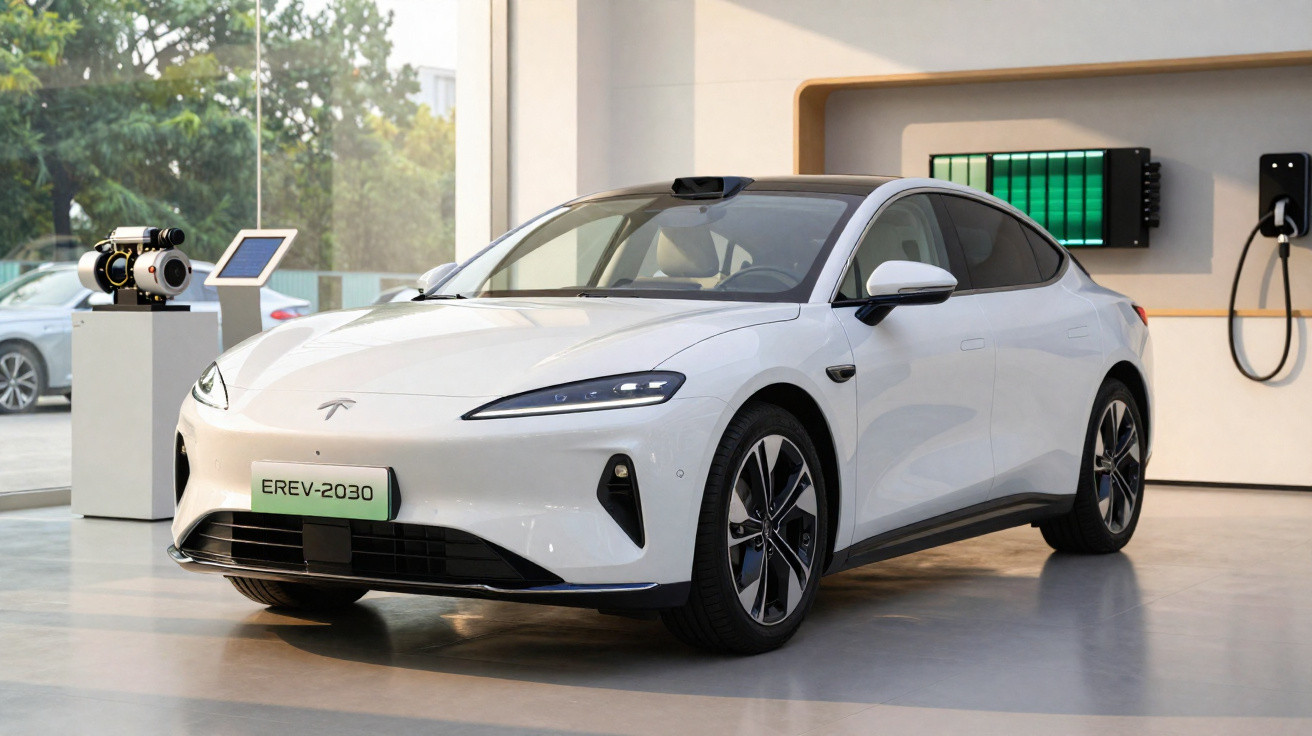
The car industry is caught between competing pressures: politicians and manufacturers are pushing fully electric cars, yet plenty of drivers still worry about being stranded. That is where cars with a so‑called range extender come in - a technical compromise that was written off a few years ago, but now looks set for a return.
What’s behind range‑extender electric cars
Cars with extended range - often referred to as EREV (Extended Range Electric Vehicle) in industry shorthand - behave like ordinary electric cars in day‑to‑day use. The wheels are driven solely by an electric motor, with energy supplied by a battery.
The difference only becomes apparent once the battery is running low. After roughly 150 to 300 kilometres - depending on the model and how you drive - a small petrol engine starts up. It does not power the wheels; instead, it functions as a generator. While you drive, it recharges the battery and keeps the vehicle running in electric mode.
"In an ideal world, a range extender combines the driving feel of an electric car with the reassurance of a full tank for long journeys."
In theory, this set‑up can cover up to 1,500 kilometres without a lengthy stop. For people who regularly travel long distances and rarely come across charging points, it can feel markedly less stressful than relying on a pure battery‑electric car.
China leads the way - Europe and the USA follow
European brands spent a long time concentrating mainly on pure EVs, but China spotted the EREV trend early. In 2025, around 2.4 million vehicles using this technology were registered there. Brands such as Li Auto have deliberately focused on large SUVs with a range extender and achieved huge volumes in their domestic market.
The signal is not limited to Asia. In the USA - where heavy pick‑ups and very large SUVs are everyday transport, and rural charging infrastructure is often patchy - demand is rising noticeably. Scout Motors, a new brand under Volkswagen, reports striking figures: of 160,000 pre‑orders, around 87 percent of customers explicitly want a model with a range extender.
Figures like these are giving the wider industry fresh momentum. Ford, Audi, Ram and Jeep are already working on their own concepts that pair this technology with big, heavy vehicles. From a manufacturer’s perspective, the appeal is obvious: a substantial four‑wheel‑drive with a “backup engine” is far easier to sell than a pure EV, especially in areas with few rapid chargers.
Why the combustion engine is suddenly seen as a helper
The clever part, from the makers’ point of view, is being able to sell the benefits of both approaches. In everyday driving, the user travels with zero local emissions - at least on paper. For holidays or long commutes, the combustion engine steps in to protect range.
- In town: short journeys on electric power only, with hardly any local exhaust emissions
- On the motorway: the generator provides energy on the move, so there is no need to plan long charging stops
- In rural areas: less dependence on a sparse charging network
- For sceptics: familiar refuelling with petrol remains an option
For high‑mileage drivers - tradespeople, sales representatives, or families making regular long trips - this can be particularly appealing. They do not have to rebuild their routine around charging, can avoid meticulous route planning between rapid chargers, and sidestep the anxiety of arriving at a charger that is occupied or out of service.
Environmental groups call it greenwashing
While many customers are ready to sign on the dotted line, environmental organisations are sounding the alarm. Their criticism is that manufacturers often promote range‑extender EVs as especially clean for everyday use, yet real‑world driving can look very different.
Transport & Environment analysed usage data from various best‑selling models using this system. The conclusion is blunt: once the battery is depleted, the vehicles consume about 6.4 litres of petrol per 100 kilometres on average - essentially the thirst of a conventional combustion‑engine car.
"If you don’t charge your EREV consistently, you end up driving a heavy car with a combustion engine - including the climate impact."
Many owners simply do not plug in every evening - or cannot, because they lack a home wallbox. As a result, the combustion engine runs far more often than brochures suggest. In that scenario, the vehicle becomes problematic from a climate perspective: duplicated hardware, high weight, and high fuel consumption.
Engineers disagree: bridging technology or dead end?
There is also intense debate among engineers. One camp regards range‑extender EVs as a temporary stopgap until rapid charging is widely available. Companies such as Mahle Powertrain argue that combining a complex electric drivetrain with an additional combustion engine makes little sense over the long term.
Their outlook is that, once dense networks of rapid chargers exist along all major routes in a few years, the need for an “emergency engine” will fall sharply. At that point, pure EVs with larger batteries and faster charging could become the more practical solution.
The other camp takes a more relaxed view. Many experts believe a segment of the public will not want to give up the convenience of quick refuelling - permanently. In countries with vast distances, extreme cold, or high towing loads, systems that include an extra combustion engine can still score points as a flexible option.
Europe’s manufacturers test the waters
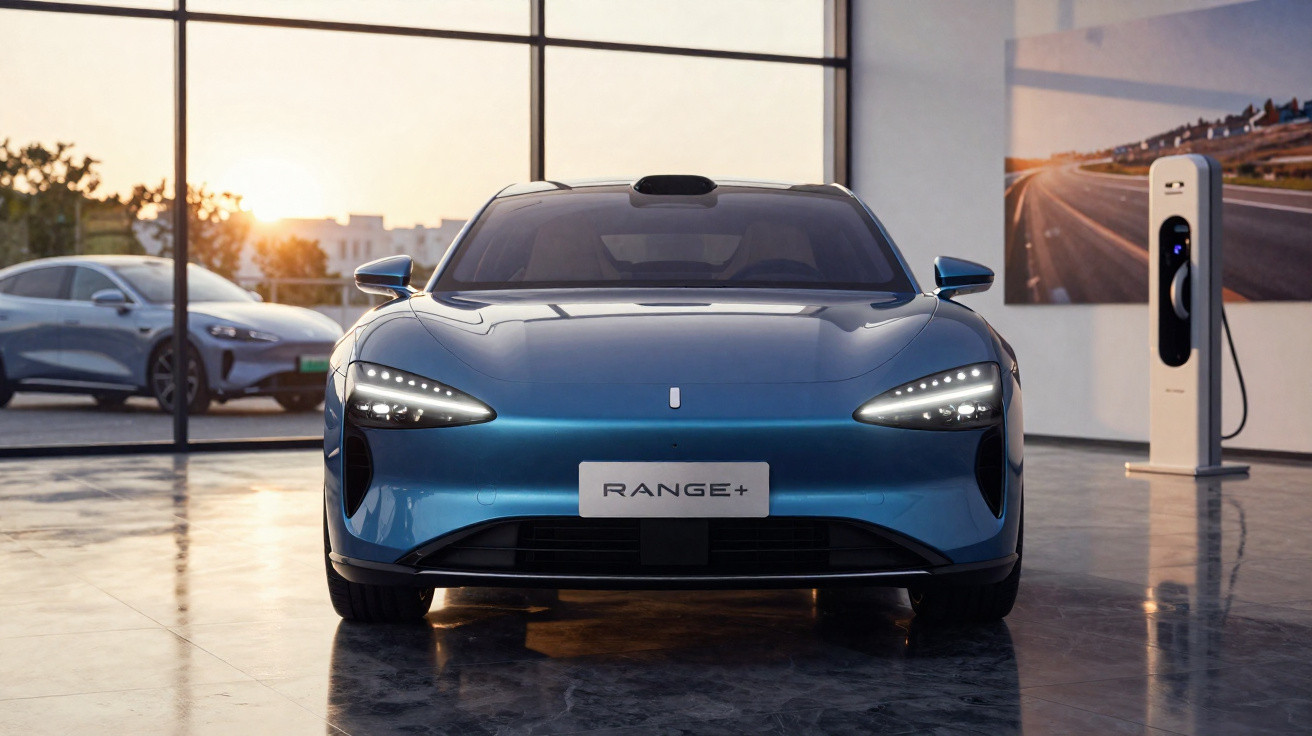
Europe is moving cautiously, but the signs are increasing. The first Chinese range‑extender models are already available in some countries, effectively serving as a test balloon to gauge customer reaction.
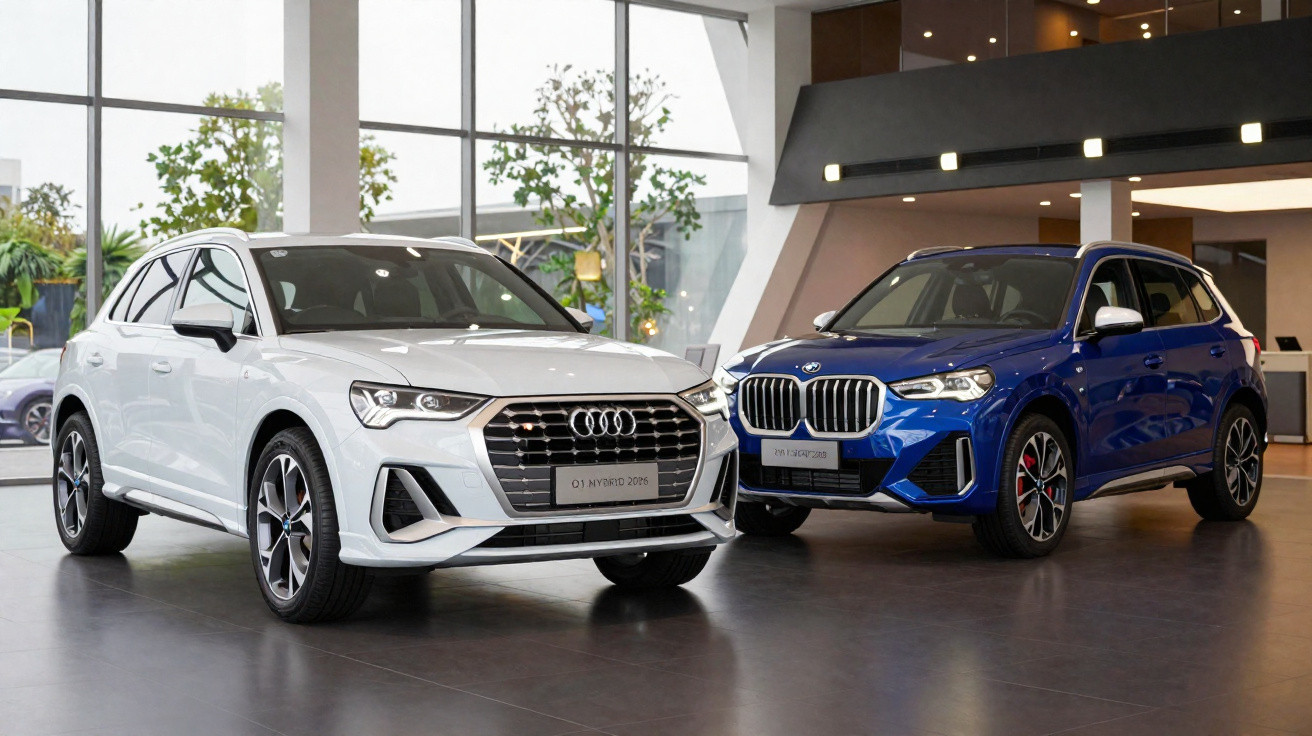
At the same time, established brands are developing their own approaches. BMW, Volvo and Xpeng are working on vehicles designed to look and feel clearly more mature than earlier experiments with this technology. The lesson from past disappointments such as the BMW i3 with Range Extender is clear: customers only accept these cars if they do not feel like a compromise in daily life, but rather like fully fledged vehicles with up‑to‑date range and equipment.
What buyers should consider before deciding
Anyone considering a range‑extender EV should take a hard look at their own usage. A few questions help frame the decision:
- How many kilometres do I drive per day on average?
- Do I have reliable charging at home or at work?
- How often each year do I genuinely travel very long distances?
- Do I prioritise low consumption, or absolute flexibility without planning charging stops?
These vehicles are ideal for drivers who can reliably charge the battery in everyday life and only occasionally need to cover long distances. In that case, the combustion engine truly stays in the background and mainly acts as a safety net. If, on the other hand, you drive many hundreds of kilometres every day and rarely charge, it is worth doing the maths: in such cases, a modern diesel or an efficient plug‑in hybrid may deliver similar - or even better - real‑world consumption.
Technology, terminology and risks in plain English
The term “range anxiety” describes the fear of being stranded in a pure electric car because there is no charging point within reach. Range‑extender vehicles address exactly that worry - but they replace it with another dependency: the price of fuel.
Another consideration is technical complexity. Under the bonnet, two systems operate side by side: an electric drivetrain with a battery, plus a combustion engine acting as a generator. That can increase maintenance demands, raise the risk of faults, and potentially drive up repair costs. Added to that is extra weight, which affects both consumption and driving dynamics.
On the plus side is the very pleasant feel of driving in electric mode: immediate response, quiet running, and smooth, continuous acceleration. Many drivers moving across from traditional combustion cars find they do not want to give up that comfort after only a few days. For them, the range extender is more of a psychological safety net than something used as a daily source of propulsion.
How the market could develop by 2030
By the end of the decade, the role of this technology will likely depend heavily on how quickly charging infrastructure expands and how strict CO₂ rules become in Europe and elsewhere. If gaps in the network remain, range‑extender EVs will keep a secure place in showrooms, especially in niches such as large SUVs, pick‑ups or heavy‑duty tow vehicles.
If rapid chargers spread quickly and battery costs keep falling, pure EVs will make many things simpler. In that case, the range extender could increasingly become a specialist tool for particular professions or regions - and continue to make sense precisely there.


Comments
No comments yet. Be the first to comment!
Leave a Comment