
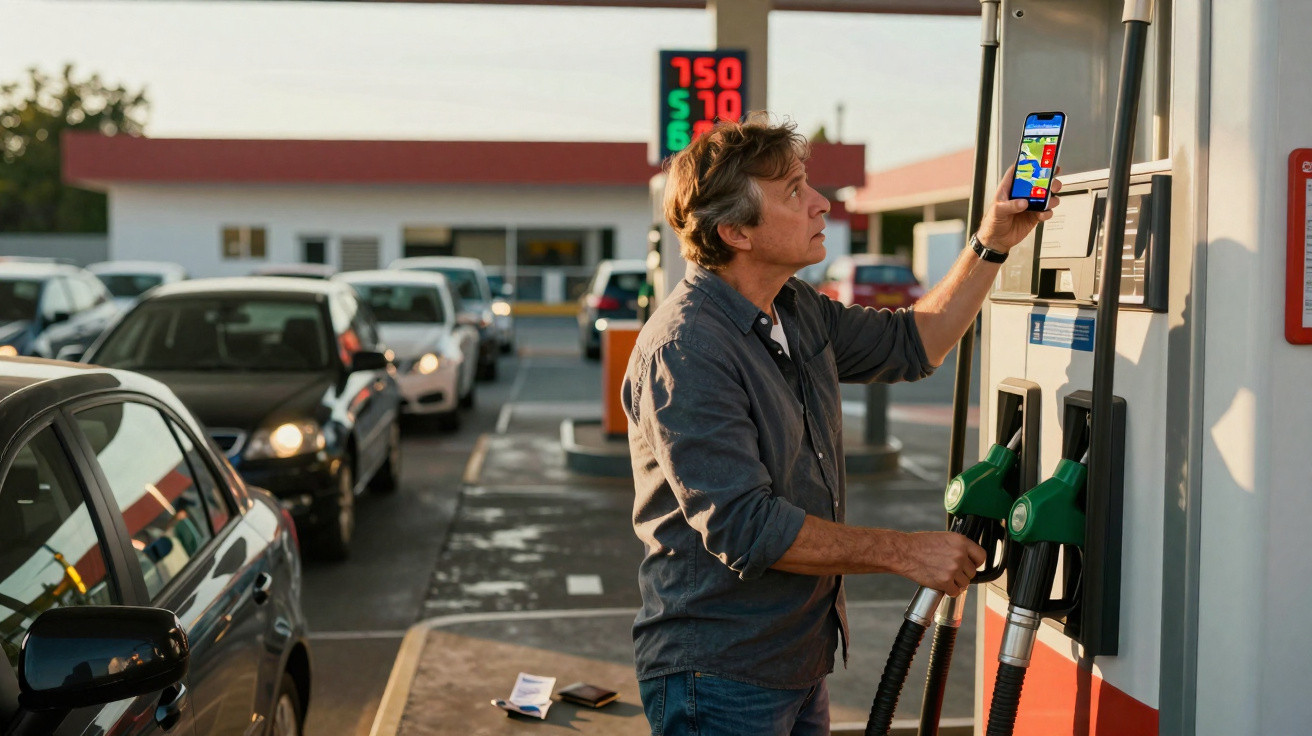
Israel–Iran conflict drives consumer response at the pumps
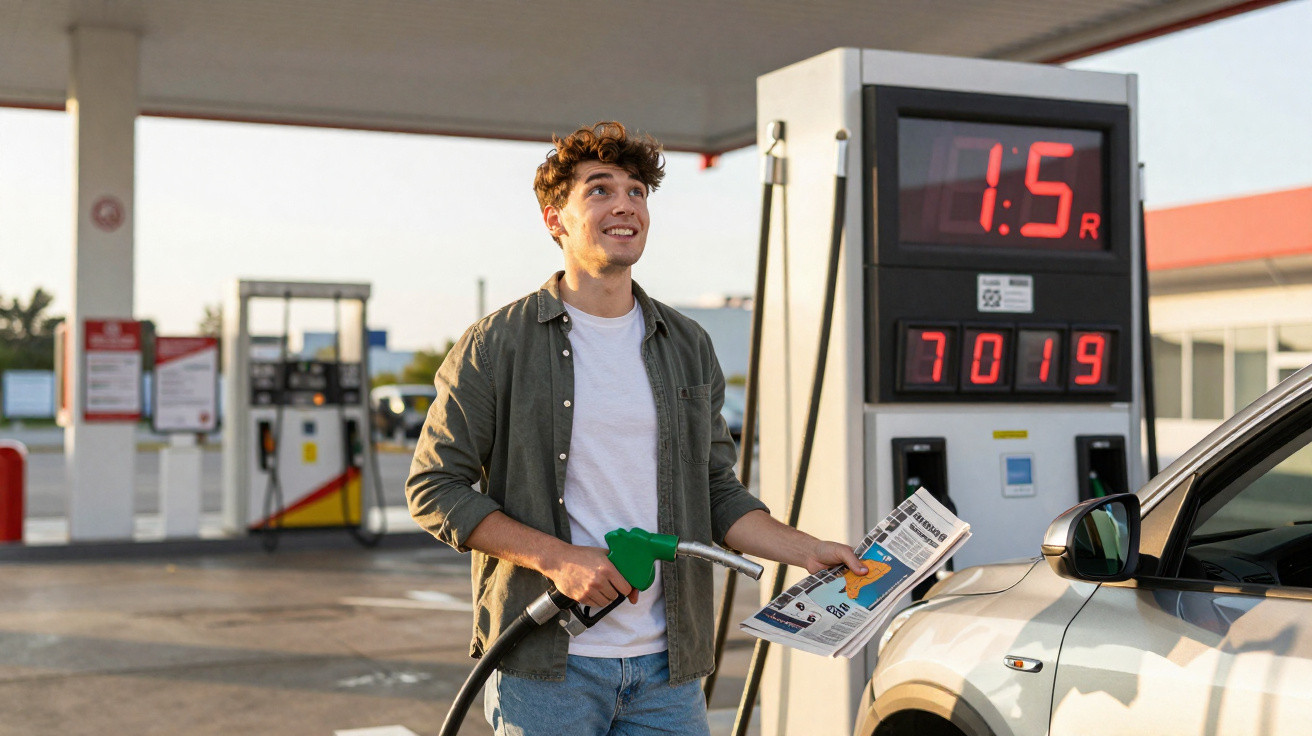
The conflict between Israel and Iran - one of the world’s 10 largest oil producers - is already feeding through into fuel prices and consumer behaviour. On the evening of 22 June, several filling stations had queues of cars waiting to refuel.
Latest changes in diesel and petrol prices
As last week’s forecasts had indicated, the price of standard diesel rose by 6,5 cents per litre, while petrol increased by 2,4 cents per litre, according to the Mais Gasolina website. The average price of standard diesel therefore stands at 1,535 €/l, and standard petrol at 1,691 €/l.
Across the main fuel retailers, BP and Repsol raised the price of standard petrol and standard diesel by 3 and 8 cents, respectively. Galp, meanwhile, recorded an increase of 2,5 cents per litre for standard petrol and 7,5 cents per litre for standard diesel.
How the DGEG average prices are calculated
As usual, the reference basis used to calculate fuel prices is the set of figures released by the Directorate-General for Energy and Geology (DGEG) - in this case, the values published last Friday, 20 June.
The figures shown by the DGEG already include the discounts applied by fuel retailers, as well as the Government measures currently in force. However, it is important to stress that these are only average, indicative values and may differ from the prices displayed at individual filling stations.
Government measures in force
The Government measures introduced in 2022 to cushion the rise in fuel prices remain in place, focusing mainly on the value of the ISP.
The ISP increased this year by three cents per litre, but because the carbon tax rate fell, there was no change to the overall tax burden on fuels.

Comments
No comments yet. Be the first to comment!
Leave a Comment