

The United States of America’s entry into the war between Israel and Iran on Saturday night, 21 June, has sparked a range of concerns among governments - including Portugal.
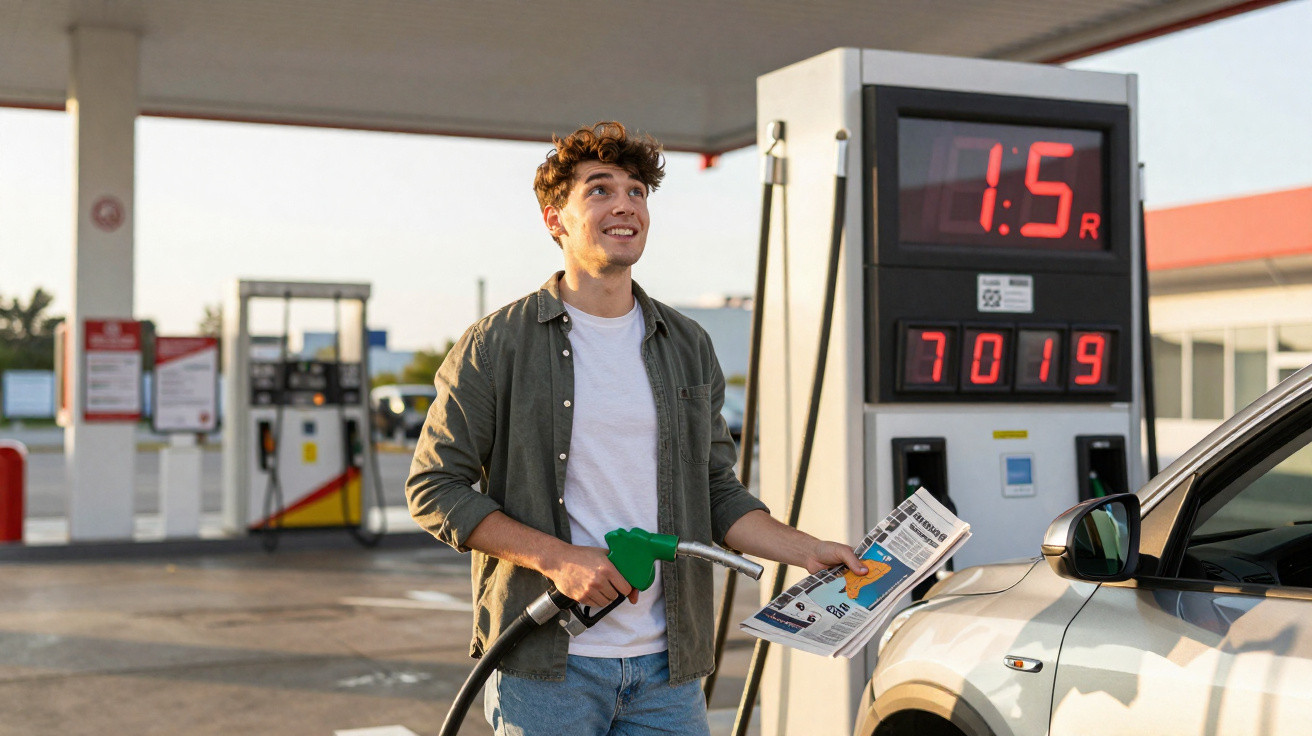
One issue being closely watched is the risk of further increases in fuel prices, something that had already begun to be felt at the start of this week. It is worth recalling that Iran is one of the world’s 10 largest oil producers.
António Leitão Amaro, Minister of the Presidency of the Council of Ministers, says that the impact of the escalating conflict in the Middle East on fuel prices in Portugal is, for now, “largely potential”, and he pledged to act if there are “very significant” rises.
So far, however, no decision has been taken. “There was no decision on that matter, especially as the conflict worsened significantly this weekend,” Leitão Amaro said at a press conference after the Council of Ministers meeting last Monday.
Middle East tensions and the oil market
Despite instability in the Middle East, with the US intervening directly through strikes on Iranian nuclear infrastructure, the oil market showed some restraint.
The price of a barrel of Brent, the European benchmark, did rise but then eased slightly at the start of the week. Analysts have pointed to the possibility of Iranian de-escalation, as Tehran has so far avoided closing the strategically important Strait of Hormuz.
Portugal’s energy supply diversification
Portugal, the minister stressed, is in a relatively protected position thanks to the diversification of its energy supply sources, which mainly come from Atlantic regions and North Africa. Many of these supplies are secured through long-term contracts. “From a certain perspective, there is a factor there that mitigates a concern,” he said.
Even so, Leitão Amaro acknowledges that markets react quickly to international tensions, particularly when major oil producers are involved. The Government says it is therefore remaining vigilant and promises to step in if the effects of the international crisis are felt in an pronounced and prolonged way in consumers’ pockets. “We are paying attention,” he concluded.



Comments
No comments yet. Be the first to comment!
Leave a Comment