
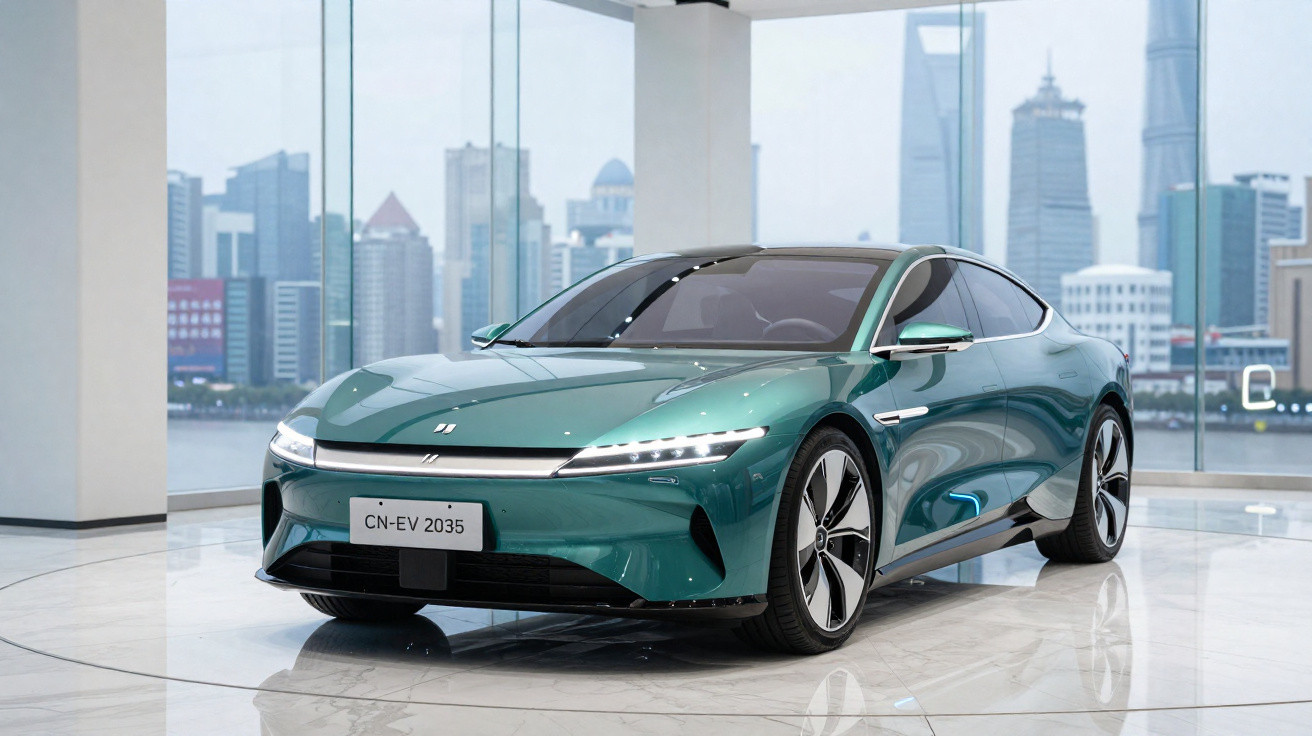
China’s appetite for plug-in vehicles shows no sign of slowing in the world’s largest car market. In July, the country hit a landmark: more than half of all new cars sold were electric or plug-in hybrid.
It was the first month in which New Energy Vehicles (NEVs) - the Chinese government’s umbrella term for fully electric and plug-in hybrid models, as well as fuel-cell vehicles - outsold internal-combustion cars.
NEV sales overtake combustion cars in July
In raw figures, NEV deliveries reached 879,000 units, up 37% compared with the same month in 2023. Battery-electric cars alone increased by 14%, indicating that the real surge came from plug-in hybrids.
With total passenger-car sales at 1 729 000 units, NEVs accounted for 50.84% of registrations, according to data released by CAAM (the China Association of Automobile Manufacturers).
Year-to-date totals and CAAM’s 2024 forecast
Across the year to date, NEVs now represent 43.1% of the market. That equates to almost five million electric and plug-in hybrid cars (+34% versus January–July last year). In 2024, up to July, China has already sold 11.568 million cars in total.
The open question is whether this share can be maintained through the remainder of the year. CAAM expects the NEV share to settle at 40% by the end of 2024.
Chinese market shrinking
Even so, not everything is positive. The wider Chinese car market has fallen for four consecutive months. Year to date, overall sales are down 2%. With NEV sales up 34% over the same period, it follows that pure combustion-car sales have dropped sharply.
Part of the downturn is linked to weaker consumer confidence amid a fragile economic period, influenced by the prolonged crisis in the property sector.
Subsidies and easing restrictions in Beijing
In response, the Chinese government announced at the end of July that it would double purchase-subsidy amounts for car buyers - up to 20,000 yuan (€2,555) - with retroactive effect back to April, when the incentives were introduced.
Alongside this, some constraints on buying cars are beginning to be relaxed. Beijing said last month that it would expand its NEV licence quota by 20,000 units.
This is the first recorded easing of restrictions since they were introduced in 2011, aimed at reducing congestion and improving air quality.
Source: Reuters
Comments
No comments yet. Be the first to comment!
Leave a Comment