
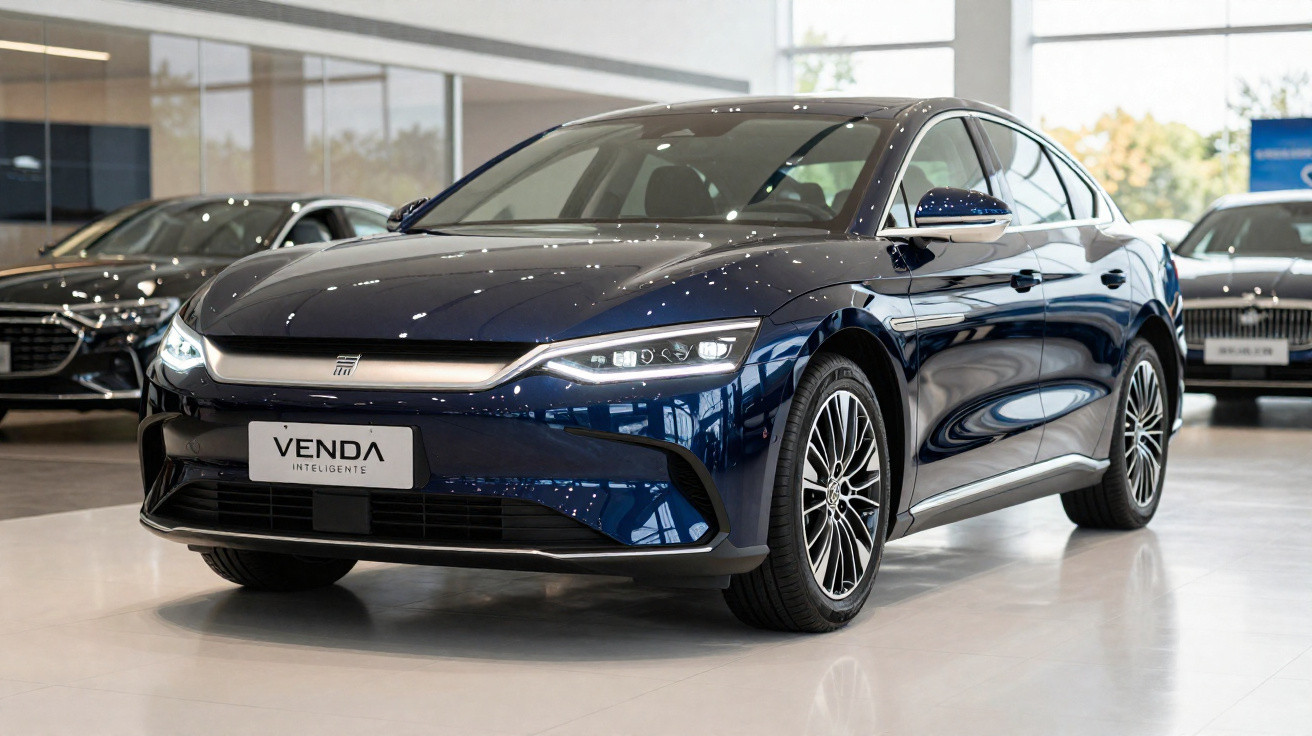
Selling a car can feel like a small project of its own: you know it needs doing, yet it’s easy to put off. Uncertainty about the right price, worries about scams, hesitation around the technical side, and not knowing where to start are all common reasons people delay. With a clear step-by-step approach, you can usually sell faster, with far less stress, and often for a better price.
The unseen prep: how to get your car ready to sell
Before you post your first advert, a big part of the result is already decided by your preparation. A tidy, well-presented vehicle looks more valuable, attracts more clicks, and prompts fewer sceptical questions.
Start by setting aside time for a proper clean and clear-out. Wash the exterior, clean the wheels, do the windows, then move inside: remove rubbish, vacuum thoroughly, wipe down the dash and trim, and tackle any stains. Spending a few pounds on a vacuum bay and a bit of interior cleaner nearly always pays back at sale time.
Where it’s affordable, deal with small issues beforehand:
- Replace blown bulbs and worn wiper blades
- Get any warning lights on the dashboard checked
- Touch in minor, rust-free scratches if needed (for example with a paint pen)
- Sort missing hubcaps, loose trim, or badges that have come off
"The fewer obvious faults the car has, the less ammunition a buyer has when negotiating the price."
At the same time, get your paperwork in order:
- V5C registration certificate (logbook)
- Current MOT test certificate
- Service book and maintenance records
- Invoices for repairs, tyres and servicing
A well-organised service history builds confidence and can often justify a noticeably higher asking price.
Finding a realistic price: between what you want and what the market pays
A lot of private sales stall because the price simply doesn’t match the market. Price it too high and your advert sits there gathering dust; too low and you’re giving away real money.
A sensible valuation is usually best done using a combination of:
- Online valuation tools on used-car websites
- Comparable adverts with the same make, engine, year and mileage
- A close look at specification (automatic gearbox, sat nav, LED lights, tow bar, etc.)
Write down two figures: a target price and a minimum price. Put the target price in the advert; keep the minimum as your private floor for later negotiations.
Writing the advert: filter out time-wasters and attract serious buyers
Your advert is effectively your digital business card, and it determines whether people pick up the phone at all.
Headline: straightforward beats shouty
A clean, specific headline tends to perform far better than empty superlatives. For example:
- “VW Golf 1.4 TSI, 2016, full service history, 98,000 km”
- “Skoda Octavia Estate diesel, automatic, new MOT, 1 owner”
That way, potential buyers can instantly see whether the car fits what they’re looking for.
Text: truthful, well laid out, and upbeat
Keep the description in short, easy sections:
- Key facts (year, mileage, number of previous keepers)
- Engine and transmission
- Equipment and standout features
- Servicing, MOT, repairs
- Known faults or signs of wear
Be open about scratches, small dents, or anything that doesn’t work properly. It can feel brutally honest, but it prevents disappointment when someone turns up to view.
"If you name faults transparently, you signal credibility - and you take the wind out of potential buyers’ sails when it comes to the price."
Photos: good daylight beats an expensive camera
Many buyers decide from the pictures whether to keep reading. A few simple rules help:
- Take photos in daylight, in dry and preferably bright conditions
- Choose a neutral backdrop: a car park or quiet street, with no people in the shot
- Cover the standard angles: front, rear, both sides, front three-quarter, interior, dashboard, boot
- Add close-ups of wheels, seats, controls, and any special extras
Before you start photographing, remove personal items, air fresheners, stickers, or a pushchair. The focus should be the car, not your private life.
Choosing the right platform - and the smart detour via a broker
There are several routes to selling a used car today, and the channel you choose affects workload, reach, and risk.
| Option | Pros | Cons |
|---|---|---|
| Free online platforms | Wide reach, no fees | Lots of time-wasters, occasional scam attempts |
| Paid adverts | Better visibility, often more serious enquiries | Fees reduce your overall return |
| Car brokers / agents | You avoid calls, appointments and haggling | Commission costs, slightly lower net proceeds |
| Instant purchase by a dealer | Fast, minimal effort | Significantly lower price |
If you can’t be bothered with phone calls, viewings and back-and-forth, using a broker can be a good alternative. Specialist services handle the photos, the advert, viewings and payment processing, and charge a commission or margin for doing so. In pure money terms, selling directly is often a bit better; in terms of hassle, brokerage is usually easier.
Viewing and test drive: stay in control without seeming suspicious
Once enquiries start coming in, you reach the part many sellers find most daunting. A few basic rules help you stay confident.
- Meet somewhere busy and well lit (a car park, petrol station)
- Take another person with you if you can
- Bring the V5C details you need, but don’t hand out copies of your ID
For a test drive, ask to see the buyer’s driving licence. Note the name and number, or take a photo of the licence if the buyer agrees. Stay in the car throughout the drive, and don’t leave the keys unattended.
When it comes to negotiating, keep it calm and factual. Point to recent work you’ve paid for, the overall condition, and any extras. Small concessions usually land better than one big discount. Examples of fair “add-ons” include:
- Including a set of winter wheels/tyres
- Filling the tank before handover
- Making a small price adjustment for a minor cosmetic issue
Paperwork and payment: don’t take chances with the money
The legal side may feel dull, but it’s what prevents major problems later. Before handing anything over, agree clearly how payment will be made.
Generally considered relatively safe are:
- A confirmed instant bank transfer showing as received in your account
- A banker’s draft/cashier’s cheque that is verified in-branch with the buyer present
- Escrow or payment services provided by established selling platforms
Avoid cheques from unknown overseas banks, split payments from multiple sources, or complicated “proof of transfer” screenshots.
From a practical and legal standpoint, you should also ensure you have, among other things:
- A sales contract in two copies with both parties’ details
- The DVLA sale/transfer notification completed (online or via the V5C process)
- A clear written record on the paperwork of the handover date and that the vehicle has been sold
Keep copies or records of the contract, the buyer’s identification details, and your DVLA notification. If parking fines, penalties or toll claims appear later, you’ll be able to show you were no longer responsible for the vehicle.
When a private sale is genuinely worth it
Not every car is equally suited to the extra effort of selling privately. It tends to pay off most for models with a sought-after engine, strong specification, a complete history, and manageable mileage. In those cases, dealer offers are often well below what a private buyer is willing to pay directly.
With very old small cars on high mileage, accident-damaged vehicles, or unusual models, selling to an instant buyer or a specialist dealer can feel more straightforward because the audience is smaller and the need for explanation is greater.
Common traps - and how to avoid them
Certain problems crop up again and again in private car sales. Knowing them in advance saves a lot of stress:
- The buyer pushes you to sign quickly before the money is definitely secure
- An offer to “transfer the rest later”
- Attempts to renegotiate by message after the fact, even though the contract is clear
- False address details or incomplete contact information
A simple rule helps: without full details and confirmed payment, the car doesn’t leave the car park. Being clear and firm is often enough to deter anyone with questionable intentions.
If you’re unsure about the legal wording, use template contracts from major motoring organisations or reputable car platforms. They typically include clauses covering liability for faults and limitations that help protect private sellers from later claims.
What looks like an annoying job becomes a structured process once the steps are clear. With a bit of preparation, an honest advert, and a watchful eye on the process, you stay in control - and you can let your old car go at a fair price with a good feeling.




Comments
No comments yet. Be the first to comment!
Leave a Comment