
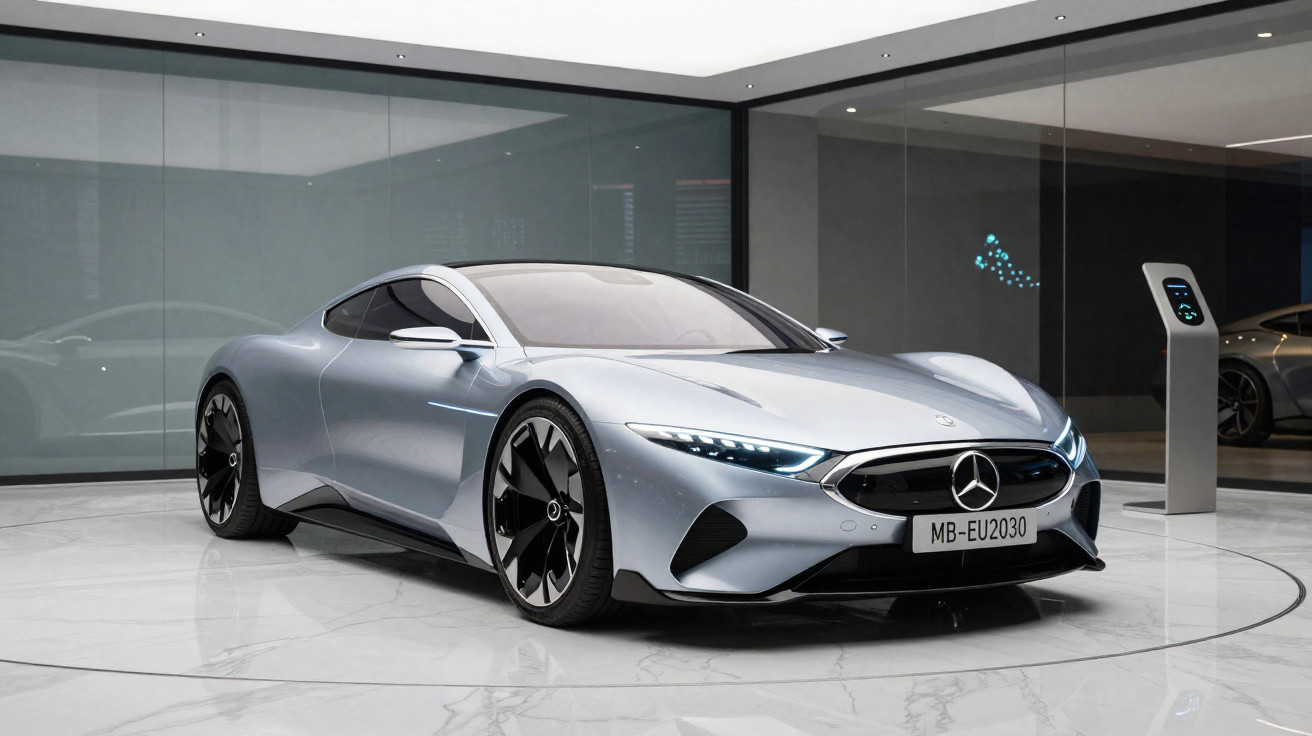
Ola Källenius, the chief executive of Mercedes-Benz, has called on the European Union (EU) to soften its emissions rules, in an interview with the German newspaper Handelsblatt.
According to the report, Källenius said he supports the position of the European Automobile Manufacturers’ Association (ACEA) in seeking to use emergency regulation to postpone the new emissions targets by two years.
What’s at stake?
Interim steps towards zero CO2 in 2035
The route to zero CO2 emissions in 2035 is built around two interim emissions-reduction milestones: the first in 2025 and the second in 2030.
The 2025 target under WLTP
Next year’s step would force a cut in average emissions from new cars sold in the EU, from today’s 115.1 g/km (95 g/km under the NEDC cycle) down to just 93.6 g/km (WLTP cycle).
Why manufacturers fear fines
To hit that level, carmakers increasingly depend on selling larger volumes of electric vehicles, yet sales are not rising. If a manufacturer misses its assigned target (which differs by brand), it faces sizeable penalties: 95 euros per gram over the limit, per car.
This concern was also highlighted recently by Luca de Meo, ACEA President and CEO of the Renault Group, in comments to France Inter radio: “If electric vehicles stay at the current level, the European industry may have to pay 15 billion euros in fines or give up producing more than 2.5 million vehicles”.
“The growth rate of electric vehicles is half of what we would need it to be to meet the objectives that would allow us not to pay fines,” de Meo added.
Ola Källenius and Mercedes-Benz on consumer preferences
The Mercedes-Benz CEO echoed that assessment and pointed to another constraint: “we cannot ignore consumer preferences”. With the EU share of electric cars falling this year, he said the 2025 CO2 targets would be “hardly achievable”.
Tough times
Recent months have been challenging for the car industry, and Mercedes-Benz is no exception. The German group has cut its annual profit-margin target for a second time this year, citing the rapid deterioration of its business in China, its largest market.
Mercedes-Benz now expects a margin of between 7.5% and 8.5% this year, versus the 10–11% it originally forecast. Even so, Källenius confirmed that the cost-reduction plan remains on track, adding that “no company is static”.
Source: Bloomberg


Comments
No comments yet. Be the first to comment!
Leave a Comment