
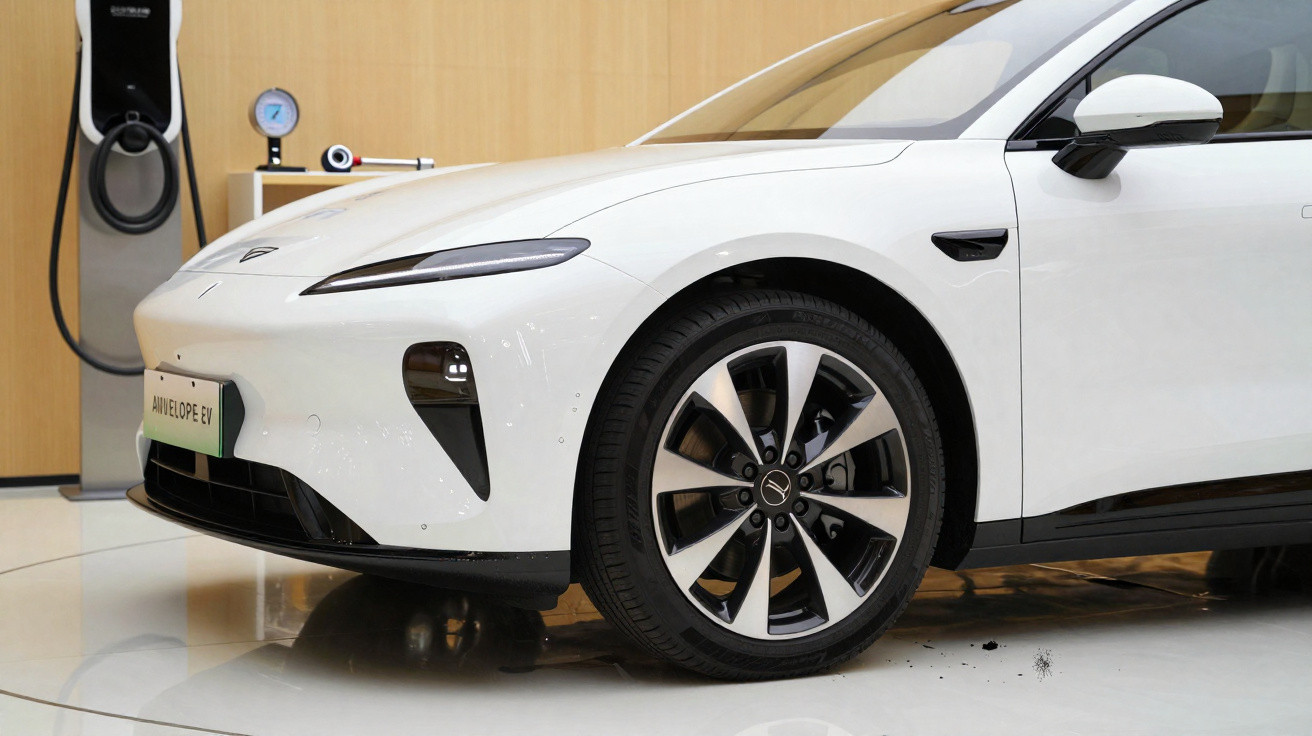
It’s easy to focus on the obvious EV wins: fewer trips to the garage, no petrol or diesel receipts, and a calmer, quieter drive. But there’s one running cost many new owners don’t clock until the first replacement comes around: tyres.
The same smooth, instant shove that makes an electric car feel effortless also asks far more of the rubber. Over time, that extra strain shows up as faster tread wear and, increasingly, higher tyre bills that can rival (or even beat) what you spend on charging.
The silent punch of electric power
Two things make electric cars feel radically different from petrol and diesel models: near-silent driving and instant torque. That mix is brilliant for comfort and performance, but it’s much harsher on tyres than many buyers expect.
An electric motor gives you maximum torque the moment you press the accelerator. Every quick pull-away from the lights sends a sudden surge of force through the front wheels on most models. Over and over, that repeated hit scrubs tread away faster than in a conventional engine, where power tends to build more progressively.
Then there’s the weight. Batteries add a lot of mass. A small electric hatchback can be 200 to 400 kg heavier than a comparable petrol version. That extra load sits on the tyres all the time and increases wear during heavy braking, sharper cornering and stop-start city driving.
EV tyres are often being replaced thousands of miles sooner than on comparable petrol or diesel cars, largely due to weight and instant torque.
Fleet data from a range of markets tells the same story: EV tyres often cover fewer miles than those on combustion cars, sometimes dropping to around 18,000 miles rather than roughly 25,000. On powerful models driven hard, the difference can be bigger still.
Why “EV tyres” exist – and why they cost more
Tyre manufacturers haven’t been idle. As electric cars have become more common, brands such as Michelin, Continental, Goodyear and Pirelli have introduced dedicated ranges for battery-powered vehicles, often marked “EV”, “Elect” or “e‑something” on the sidewall.
These tyres have to solve a difficult design brief. They need to handle heavier loads, withstand strong acceleration, roll efficiently to protect range, and stay quiet enough to suit a near-silent cabin.
Inside the new generation of electric tyres
- Reinforced structure: stronger internal belts and sidewalls help carry the extra battery weight without deforming.
- Low rolling resistance compounds: specialist rubber blends reduce energy loss, helping to extend range.
- Enhanced grip: tread patterns are tuned to cope with high torque without constant wheelspin.
- Noise reduction tech: some premium tyres include foam inside to dampen road noise.
All of that engineering costs money. Across Europe and North America, like-for-like comparisons often show a clear gap between standard tyres and EV-optimised versions in the same size. For a typical family EV, a set of four quality EV tyres can cost £80–£150 more than equivalent non‑EV tyres.
When you add higher purchase prices to faster wear, the lifetime bill for EV tyres can easily exceed what many drivers pay for electricity.
Production costs have also risen. Raw materials, energy costs and ongoing R&D have driven tyre prices up by more than 20% in only a few years, with EV-focused tyres hit particularly hard because they depend on more advanced materials and testing.
When tyres outpace charging on your monthly budget
For plenty of EV drivers who mostly charge at home, electricity can be relatively affordable. Over three or four years, the big-ticket items are often depreciation, insurance…and tyres.
| Item (typical EV, 10,000 miles/year) | Estimated annual cost (UK/US range) |
|---|---|
| Home charging electricity | £250–£500 / $300–$600 |
| Public fast charging (occasional) | £100–£250 / $120–$300 |
| Tyres (average driving style) | £350–£700 / $400–$800 |
Costs swing with country and energy tariffs, but the pattern is clear: tyres can quietly overtake electricity in the “running costs” column, especially for heavier EVs or performance models.
Driving style: the cheapest tool you have
Not every EV owner ends up with the same tyre spend. The way you use the accelerator has a direct effect on how often you’ll be buying a new set.
Habits that eat tyres on electric cars
- Full-throttle launches at every green light.
- Leaving braking late and braking hard, rather than using regenerative braking early.
- Lots of high-speed motorway miles with rapid lane changes.
- Driving on under-inflated tyres, which warms the rubber and accelerates wear.
A smoother driving style pays back quickly. Gradually feeding in power, coasting more, and letting regeneration slow the car earlier can add meaningful tyre life. Monthly pressure checks - and a quick check before long journeys - also help, particularly as EVs often specify higher pressures than similar petrol cars.
Small changes in driving style and maintenance can save an EV owner hundreds of pounds or dollars in tyre costs over just a few years.
Choosing the right tyre for your EV
With prices rising, it’s tempting to fit the cheapest tyres available in the correct size. But that can be a false economy, bringing faster wear, reduced range and longer stopping distances - not an ideal compromise.
What to look for when buying EV tyres
- Load index: ensure the tyre can handle the EV’s weight; many models require a higher rating than older petrol cars in the same size.
- Rolling resistance rating: stronger ratings can add a few extra miles of range per charge.
- Noise level: low noise matters more when there’s no engine sound masking road roar.
- EV compatibility label: tyres sold for electric or hybrid cars often have reinforcements and compounds designed for high torque.
Mid-range EV tyres can be the sweet spot. Options sitting between budget brands and premium performance lines often deliver good wear, predictable handling and a quieter ride without the highest price tag.
Hidden side effects: dust, particles and the environment
Tyre wear isn’t only about money. Heavier vehicles wearing through more rubber raises concerns about microplastics and road pollution. While EVs reduce exhaust emissions, the extra weight can increase fine particles from brakes and tyres, particularly in towns and cities with frequent stops.
Some brands are trialling new rubber compounds to cut particle release while also improving longevity. Others are working on sensors that track wear and temperature in real time, warning drivers before issues develop. These connected tyres, already being tested on certain EVs, could become more common as electrification grows.
Planning ahead: simulations and real‑life scenarios
Take a typical electric SUV covering 12,000 miles a year. If its tyres last 20,000 miles, it will probably need replacements roughly every 18–20 months. At £700 or $800 for a set, that’s around £450–£500 or $500–$550 per year on tyres alone.
Now set that against home charging on off-peak rates. Many drivers will spend much less on electricity over the same timeframe. In reality, the “cheap to run” electric SUV can look less cheap once tyre invoices start piling up.
On the other hand, a lighter electric supermini driven gently and mostly around town may push a decent set of tyres to 25,000 miles or more. With mid-range EV-optimised tyres fitted, the annual cost falls sharply - a reminder that weight, power and driving style matter as much as the badge on the boot.
Key terms worth understanding
A few terms commonly show up on EV tyre spec sheets and quotes:
- Rolling resistance: the energy lost as the tyre flexes while rolling. Lower resistance improves efficiency and range.
- Load index: a number showing the maximum weight each tyre can safely carry. EVs often need higher indexes.
- Regenerative braking: braking that uses the electric motor to slow the car and recharge the battery, reducing reliance on conventional brakes.
- Tyre noise rating: a measure of how much sound a tyre generates on the road, increasingly important in quiet EVs.
For anyone budgeting for the switch to electric, it’s worth putting tyre costs alongside charging, insurance and depreciation for a more realistic view. Fuel savings are genuine, but the rubber on the road is quietly adding its own bill - and for many drivers, that bill is now larger than what they pay their electricity supplier.



Comments
No comments yet. Be the first to comment!
Leave a Comment