
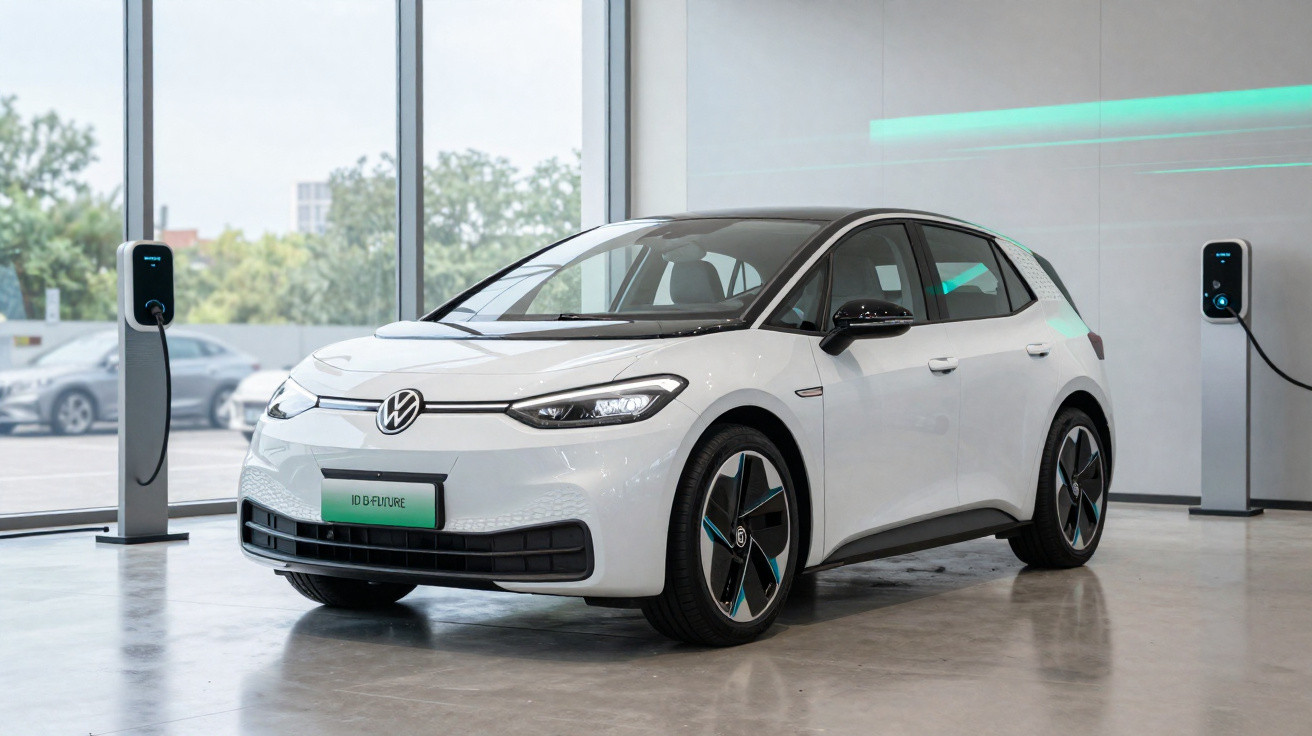
The European Commission is getting ready to roll back the planned ban on selling new vehicles with internal combustion engines from 2035. Even so, that shift does not give car makers permission to abandon full electrification.
Manufacturers will still be required to cut emissions dramatically (by up to 90%). For certain parts of the market, the direction already looks set. Against that backdrop, Thomas Schäfer, Volkswagen’s Chief Executive Officer, has issued a blunt warning about the future of utility cars (B-segment) in Europe.
Volkswagen on the future of B-segment cars in Europe
Speaking to the German newspaper Auto Motor und Sport, Schäfer said small petrol cars have no future in Europe. Models such as the Volkswagen Polo will become electric-only: “the future of this segment is electric”, he stressed.
The reasoning is straightforward: creating a brand-new combustion-engined car in the B-segment that complies with ever-tougher emissions rules would be prohibitively expensive.
CO2 targets and why new combustion development becomes too costly
The target that took effect this year - and applies until 2029 - sets a fleet-wide average of 93.6 g/km of carbon dioxide (CO<sub>2</sub>) for passenger cars. From 2030, the rules will tighten further, bringing additional costs.
According to Schäfer, those extra costs would ultimately be passed on to buyers. The result would be combustion cars in this segment priced too high to compete and out of reach for most consumers.
What about city cars?
In parallel, developing a combustion model for the A-segment (city cars) is also off the table. The decision is explained by the arrival of relatively affordable 100% electric vehicles - such as the Dacia Spring, available from €16,900.
For the city-car segment, Volkswagen is working on a production version of the ID. Every1 concept, which is expected to bring the price threshold down to €20,000.
Alongside these two models, the Wolfsburg manufacturer also plans to introduce an electric crossover, previewed by the ID. Cross prototype. All three models will be built on the MEB+ platform, developed exclusively for electric vehicles.
Combustion (for now) will not vanish
However, not everything is over - at least for the time being. Despite rising investment in 100% electric models and a pull-back in combustion-engine offerings, the two technologies will continue to coexist, at least until electric vehicles top the sales charts.
Volkswagen has not yet set a firm date to end production of the Polo or its “sibling” T-Cross, which suggests both should remain on sale alongside their electric successors.
Moreover, because it is Europe’s best-selling brand, Volkswagen faces the task of maintaining - or beating - today’s sales volumes as it shifts towards electric vehicles.
Electrifying the Polo and launching new models such as the ID. Every1 and the ID. Cross are key steps to ensure the brand continues to lead the European market, particularly in a high-volume sales segment.
Comments
No comments yet. Be the first to comment!
Leave a Comment